Modal Title
Lorem ipsum dolor, sit amet consectetur adipisicing elit. Iusto porro officiis beatae accusantium nam quis soluta? Sapiente in non inventore, explicabo distinctio, nostrum impedit delectus obcaecati corporis officiis, nihil repellendus.

Lorem ipsum dolor, sit amet consectetur adipisicing elit. Iusto porro officiis beatae accusantium nam quis soluta? Sapiente in non inventore, explicabo distinctio, nostrum impedit delectus obcaecati corporis officiis, nihil repellendus.

Blog:How Do Eye Doctors Know If Myopia Control Is Working? Understanding Treatment Progress

When your child starts myopia control, it is natural to wonder whether the treatment is working. The goal of myopia management is not to eliminate nearsightedness or reverse an existing prescription. Instead, it is to slow progression as the eyes grow. Regular follow-up visits help us track meaningful changes and determine whether the treatment plan remains appropriate.
A child may see clearly with glasses or contact lenses while their myopia continues to increase. Likewise, a child receiving effective myopia control may still need a stronger prescription over time, just at a slower rate than expected.
This distinction is especially important with orthokeratology (Ortho-K). These overnight lenses temporarily reshape the cornea to provide clearer daytime vision. That improvement does not, by itself, tell us how quickly the eye is growing or whether myopia progression is slowing.
We compare new findings with baseline measurements and earlier exam results. Depending on the treatment, monitoring may include:
· Prescription changes: A refraction helps us evaluate whether nearsightedness is increasing, although results must be interpreted differently for children wearing Ortho-K lenses.
· Eye growth: Axial length measurements, when available, track the eye's length. Slower-than-expected elongation can be an important indication of treatment effectiveness.
· Vision and eye health: We check how well your child sees and look for any signs of irritation or other concerns.
· Treatment fit and consistency: We review contact lens fit, wearing schedules, eye drop use, and any difficulties following the plan.
No single measurement tells the entire story. Looking at several visits gives us a clearer picture than relying on one prescription change.
Myopia control requires ongoing monitoring rather than an immediate result. Follow-up schedules depend on the method being used and your child's needs. Visits may occur every few months, with progress assessed over several months or longer.
Because children's eyes grow at different rates, we consider age, previous prescription changes, family history, and the pattern of measurements. Some progression can occur even when treatment is beneficial.
If follow-up results show continued progression, it does not automatically mean treatment has failed. We first review how consistently the plan is being followed and whether the measurements show a meaningful trend.
We may then discuss adjustments, such as a different myopia control contact lens, Ortho-K, low-dose atropine drops, or specially designed myopia control glasses, depending on your child's eligibility and needs. Our goal is to choose a practical approach and reassess its performance over time.
Parents can help by keeping follow-up appointments, encouraging prescribed lens or drop use, and letting us know about changes in vision or comfort. Outdoor time and regular breaks from prolonged near work also support healthy visual habits, although they do not replace treatment.
Schedule a myopia management appointment with Eye of the Tiger Vision in Hamilton, NJ, at (609) 527-9500, or East Windsor Eye Care in East Windsor, NJ, at (609) 308-2850.
Flowbite is an open-source library of interactive components built on top of Tailwind CSS including buttons, dropdowns, modals, navbars, and more.
Check out this guide to learn how to get started and start developing websites even faster with components on top of Tailwind CSS.
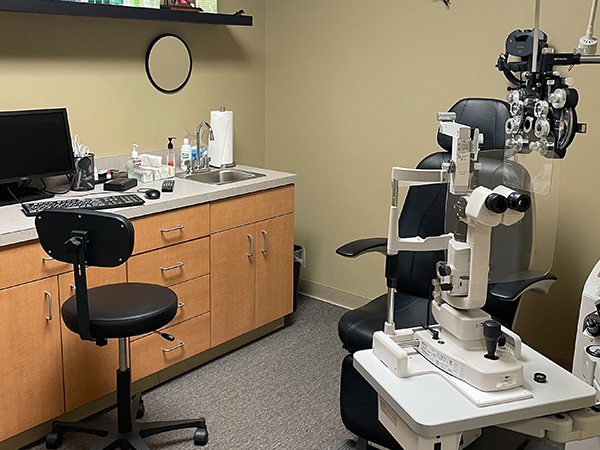
Discover personalized eye care excellence with our comprehensive services. From eye exams to advanced diagnostics, trust us for all your vision needs.
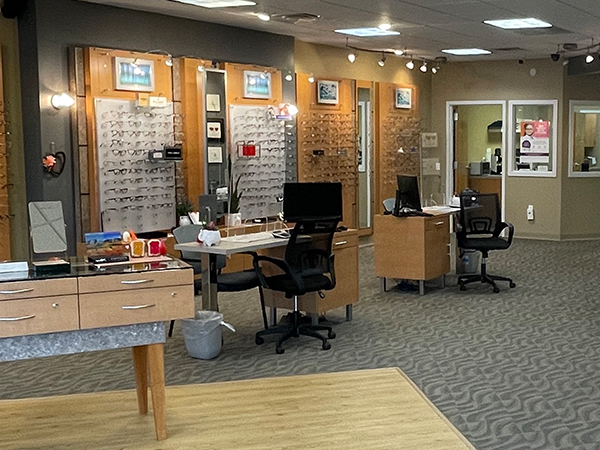
For non-urgent questions or to learn more about our services, contact us today!
© 2026 Eye of the Tiger Vision. All rights Reserved - Accessibility Statement - Privacy Policy - Sitemap
Managed and Designed by