Modal Title
Lorem ipsum dolor, sit amet consectetur adipisicing elit. Iusto porro officiis beatae accusantium nam quis soluta? Sapiente in non inventore, explicabo distinctio, nostrum impedit delectus obcaecati corporis officiis, nihil repellendus.

Lorem ipsum dolor, sit amet consectetur adipisicing elit. Iusto porro officiis beatae accusantium nam quis soluta? Sapiente in non inventore, explicabo distinctio, nostrum impedit delectus obcaecati corporis officiis, nihil repellendus.

Blog:Blocked Meibomian Glands: Why Your Eyes Need More Than Just Artificial Tears
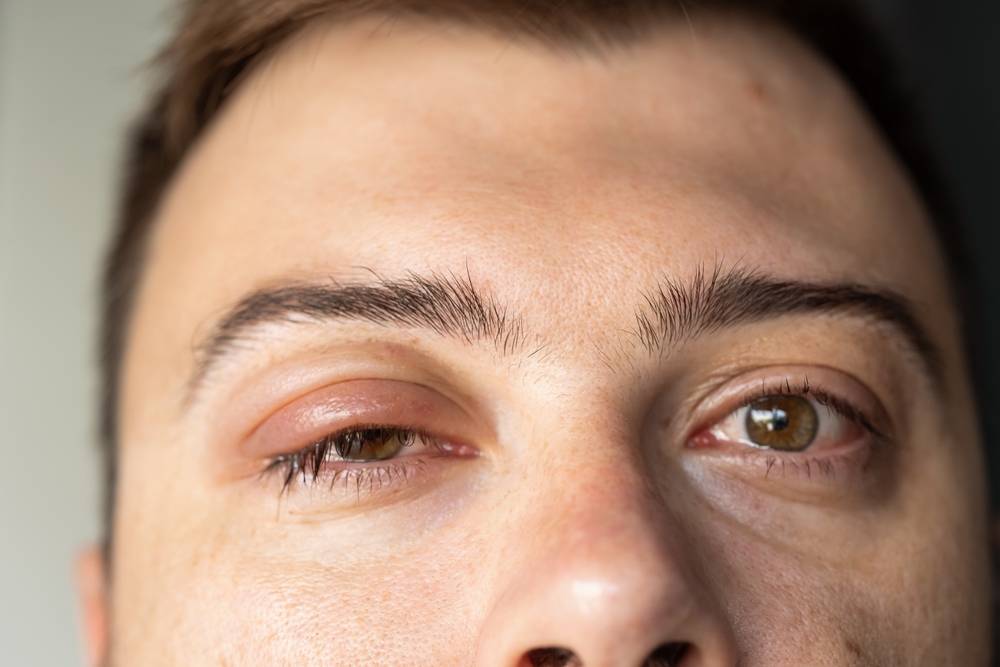
Dry, burning eyes can be frustrating, especially when you use artificial tears throughout the day without lasting relief. In many cases, the problem is not simply a lack of tears. It may involve blocked meibomian glands, which play an essential role in keeping your eyes comfortable and properly lubricated. Understanding how these glands function can help explain why eye drops alone may not be enough.
Meibomian glands are tiny oil-producing glands located along the edges of your eyelids. They release oils that form the outer layer of your tear film, helping prevent tears from evaporating too quickly.
When these glands become blocked, the oils may thicken or stop flowing properly. This condition, known as meibomian gland dysfunction (MGD), is a leading contributor to evaporative dry eye.
Without a healthy oil layer, tears evaporate faster, leaving your eyes irritated even when they produce adequate moisture. Over time, persistent gland dysfunction can contribute to ongoing inflammation and discomfort.
Artificial tears help replenish moisture and temporarily soothe dry eye symptoms. However, they generally do not clear blocked meibomian glands or address the underlying inflammation.
Even lipid-based artificial tears, which help supplement the oily layer of the tear film, may not fully resolve gland dysfunction.
If you find yourself using eye drops repeatedly throughout the day without significant improvement, your symptoms may require a more targeted approach. Identifying the underlying cause is essential for developing an effective dry eye treatment plan.
Meibomian gland dysfunction can cause several uncomfortable symptoms, including:
· Burning, stinging, or gritty sensations in your eyes
· Blurry or fluctuating vision that temporarily improves after blinking
· Redness and irritation around the eyelids
· Excessive watering despite feeling like your eyes are dry
· Difficulty wearing contact lenses comfortably
Some patients experience minimal symptoms despite changes in their meibomian glands. A comprehensive dry eye evaluation can help identify gland dysfunction before discomfort becomes more persistent.
At Eye of the Tiger Vision, we take a personalized approach to dry eye treatment by evaluating the factors contributing to your symptoms.
Depending on your condition, we may recommend warm compresses and proper eyelid hygiene to help soften thickened oils and encourage healthier gland function.
For patients who need additional treatment, we offer advanced in-office options, including Forma-I radiofrequency (RF) and Lumecca-I intense pulsed light (IPL) treatments. Forma-I uses controlled radiofrequency energy to warm tissues around the eyelids, while Lumecca-I uses targeted light energy to help address inflammation associated with certain forms of dry eye. These treatments may help improve tear film stability and relieve symptoms in appropriately selected patients.
If your eyes continue to feel dry, irritated, or uncomfortable despite using artificial tears, it may be time to investigate your meibomian gland health. A thorough evaluation can help us determine whether blocked glands, inadequate tear production, or a combination of factors is responsible.
For personalized dry eye treatment and advanced solutions for meibomian gland dysfunction, contact Eye of the Tiger Vision in Hamilton, NJ, at (609) 527-9500 or East Windsor, NJ, at (609) 308-2850 to schedule your appointment.
Flowbite is an open-source library of interactive components built on top of Tailwind CSS including buttons, dropdowns, modals, navbars, and more.
Check out this guide to learn how to get started and start developing websites even faster with components on top of Tailwind CSS.

Discover personalized eye care excellence with our comprehensive services. From eye exams to advanced diagnostics, trust us for all your vision needs.

For non-urgent questions or to learn more about our services, contact us today!
© 2026 Eye of the Tiger Vision. All rights Reserved - Accessibility Statement - Privacy Policy - Sitemap
Managed and Designed by 
